GIFT CARDS GIFT CARDS

Finding Your Perfect Wardrobe Colour Palette

Getting dressed should feel inspiring, not overwhelming, yet many of us have stood in front of the wardrobe wondering why some colours make us feel radiant while others seem to wash us out completely. Discovering your perfect wardrobe colour palette can make everyday styling far simpler, helping you build outfits that feel cohesive, flattering and effortless to wear. A wardrobe colour palette is a collection of colours that naturally complement your skin tone, hair colour and personal style

If you have ever wondered how to know what colours to wear, the answer often lies in understanding the tones that naturally complement your skin, hair and personal style. While trends may come and go, the right colours have a way of making us look fresher, brighter and more confident without trying too hard.

The good news is that creating a wardrobe colour palette does not need to feel restrictive or complicated. With a few practical tips and a little experimentation, you can learn how to combine versatile neutrals with statement shades that truly feel like you. Whether you gravitate towards soft earthy tones, cool blues or vibrant prints, finding colours you love can make getting dressed every day feel much more enjoyable.

Understanding Your Wardrobe Colour Palette

What Is a Wardrobe Colour Palette?

A wardrobe colour palette is a collection of colours that work beautifully together and complement your natural features, lifestyle and personal style. Rather than filling your wardrobe with random shades that are difficult to pair, a thoughtful wardrobe colour palette helps create outfits that feel polished and easy to wear. When your colours naturally coordinate, mixing and matching becomes much simpler, which can make everyday dressing feel far less stressful.

A well-balanced wardrobe colour palette usually includes a combination of dependable neutrals alongside a few statement colours that bring personality and interest. This does not mean limiting yourself to only a handful of shades. Instead, it is about identifying the tones that make you feel your best and using them consistently throughout your wardrobe.

For many women, discovering a flattering wardrobe colour palette also leads to more mindful shopping habits. Pieces become more versatile because they work with what is already in the wardrobe, whether it is a soft linen shirt, a printed midi dress or a lightweight knit layered over denim. This sense of cohesion often creates a wardrobe that feels more refined without needing an excessive number of pieces.

Why Colour Can Change the Way We Feel

Colour has a remarkable way of influencing both how we look and how we feel. The right shades can brighten the complexion, soften features and even make us appear more rested, while less flattering tones may leave skin looking dull or tired. This is why understanding how to know what colours to wear can have such a positive impact on confidence.

It is also important to remember that personal preference matters just as much as traditional colour guidelines. While certain shades may technically suit warm or cool undertones better, the most successful wardrobe colour palette is one that feels authentic and wearable for your everyday life. Fashion should feel enjoyable and expressive, and colour is one of the simplest ways to bring that sense of joy into getting dressed.

How to Know What Colours to Wear

Understanding Warm and Cool Undertones

One of the most helpful steps in building a wardrobe colour palette is understanding whether your natural undertones are warm, cool or neutral. Undertones are the subtle hues beneath the surface of the skin, and they can influence which colours feel most flattering against your complexion.

Women with warm undertones often suit earthy, golden and sun-kissed shades such as olive, camel, coral, chocolate brown and warm ivory. Cool undertones are typically complemented by colours with blue or pink bases, including navy, berry, emerald, crisp white and soft grey. If your undertones are neutral, you may find you can comfortably wear a mix of both warm and cool shades.

There are a few simple ways to help determine your undertones at home. Gold jewellery often flatters warm undertones, while silver tends to complement cool undertones more naturally. Looking at the veins on your wrist can also help, with greenish veins often indicating warmth and bluish veins suggesting cooler tones. Another clue can come from how your skin reacts to sunlight, as warmer undertones may tan more easily while cooler undertones can burn more quickly.

While these guidelines are useful, they are not strict rules. Learning how to know what colours to wear should still feel personal and flexible, especially if there are colours you genuinely enjoy wearing and feel confident in.

How Hair and Eye Colour Influence Your Best Shades

Hair and eye colour can also provide clues when refining your wardrobe colour palette. Women with lighter hair tones often find softer colours and muted shades create a gentle, balanced look, while those with darker hair may naturally carry richer or deeper colours beautifully. Eye colour can also inspire flattering combinations, whether that is bringing out blue eyes with navy tones or enhancing hazel eyes with earthy greens and warm rust shades.

That said, contrast plays an important role too. Women with high contrast features, such as dark hair paired with fair skin, often suit bold shades and crisp colour combinations. Softer features may feel more harmonious alongside blended tones and subtle colour pairings.

The key is not to become overly focused on rules, but rather to use these observations as a starting point. Personal style, lifestyle and comfort should always guide your choices alongside traditional colour advice.

Easy Ways to Test Colours at Home

If you are unsure how to know what colours to wear, experimenting at home can be surprisingly effective. Start by trying on clothing in natural daylight without heavy makeup, as this gives the clearest view of how colours interact with your complexion. Hold different shades near your face and notice whether your skin appears brighter and fresher or slightly tired and shadowed.

Comparing similar colours side by side can also help reveal what works best. For example, you might discover that soft ivory feels more flattering than stark white, or that navy feels gentler than black. Even small differences in tone can completely change how a colour looks against the skin.

Scarves, lightweight tops and printed pieces are excellent for experimenting because they sit close to the face without requiring a major wardrobe commitment. Blue Bungalow’s versatile range of relaxed dresses, breathable linen separates and colourful prints can also make it easier to explore new shades gradually while still feeling comfortable and wearable.

Building a Balanced Wardrobe Colour Palette

Choosing Your Everyday Neutrals

Every great wardrobe colour palette starts with reliable neutrals that can anchor your outfits and make styling feel effortless. These are the shades you will likely wear most often, so choosing colours that feel flattering and versatile is important. While black is often considered the default neutral, many women discover that softer alternatives such as navy, charcoal, olive, beige or warm white can feel far more wearable and flattering against the skin.

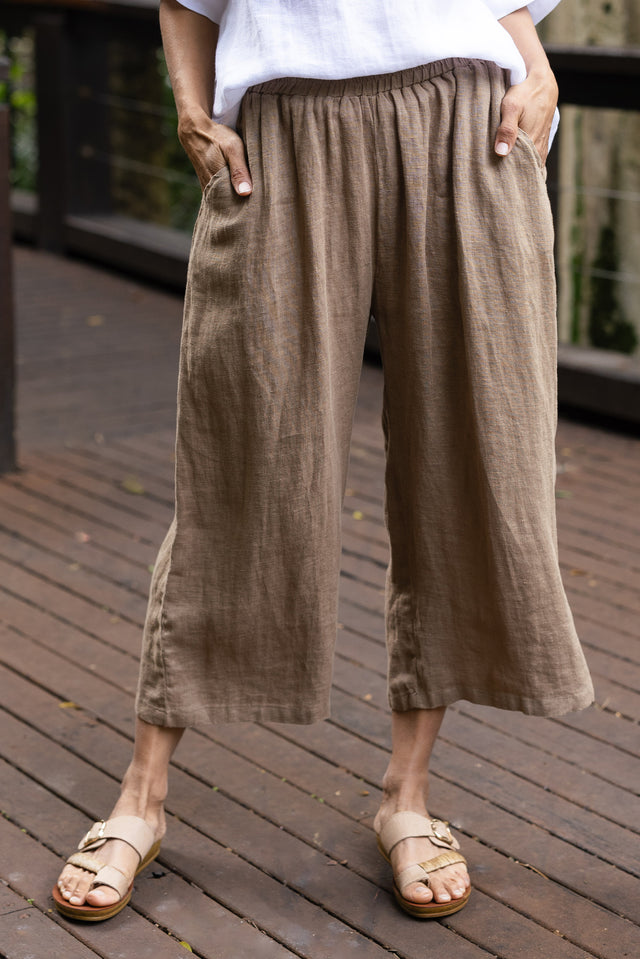
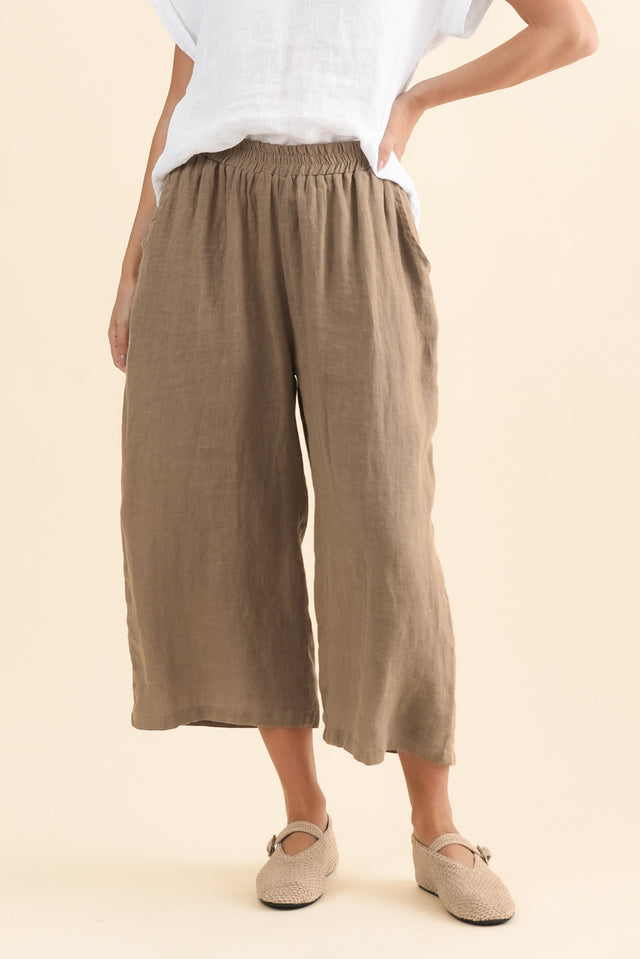
When deciding on your neutrals, it helps to consider both your undertones and your lifestyle. Women with warmer colouring may gravitate towards camel, cream, tan and earthy olive tones, while cooler undertones often pair beautifully with crisp white, navy, soft grey and cooler denim washes. Neutral shades also do not need to feel plain or predictable. Textures like linen, cotton blends and lightweight knits can add depth and interest while still keeping outfits easy to style.

Building your wardrobe colour palette around dependable neutrals creates a strong foundation for layering statement colours later on. A relaxed white linen shirt, soft navy pants or a lightweight oatmeal knit can work seamlessly across multiple outfits, making everyday dressing feel much more cohesive.

Adding Statement Colours with Confidence

Once your neutral base is established, statement colours become much easier to introduce without feeling overwhelming. This is often the most enjoyable part of creating a wardrobe colour palette because it allows personality and creativity to shine through.

If you are unsure how to know what colours to wear in brighter shades, start small. A colourful blouse, printed scarf or lightweight cardigan can instantly lift a neutral outfit while still feeling balanced. Shades like cobalt blue, emerald green, berry, coral and teal are often surprisingly wearable because they add vibrancy without overpowering the overall look.

It can also help to repeat a statement colour subtly throughout an outfit. For example, a printed dress featuring navy and coral may pair beautifully with a navy sandal or a simple coral earring. These small connections create harmony and make outfits feel thoughtfully styled rather than overly coordinated.

Blue Bungalow’s collections often feature versatile statement shades in easy-to-wear silhouettes, making it simpler to experiment with colour while still feeling comfortable and confident. Flowing dresses, breathable tops and soft layering pieces in flattering tones can help introduce colour gradually into everyday dressing.

Creating Outfits That Feel Cohesive

One of the biggest benefits of a thoughtfully planned wardrobe colour palette is that outfits naturally begin to work together. Rather than relying on exact matching, the goal is to create balance through complementary shades and proportions.

A simple way to achieve this is by combining one statement colour with softer neutrals. For example, a vibrant printed top may feel balanced with white jeans and tan accessories, while a rich emerald blouse can look effortlessly polished alongside dark denim and metallic jewellery. This approach allows colour to stand out without overwhelming the outfit.y

Prints can also play an important role in tying colours together. Many printed dresses and blouses blend multiple shades within the same design, making it easier to combine colours confidently. If a print includes navy, soft pink and white, those colours can naturally guide the rest of your styling choices.

Most importantly, your wardrobe colour palette should feel wearable for your everyday life. The most flattering colours are often the ones that make you feel relaxed, confident and genuinely yourself. When your wardrobe reflects colours you love wearing, getting dressed becomes far more enjoyable and intuitive.

Versatile Shades to Inspire Your Colour Choices

Soft Neutrals for Everyday Dressing

Soft neutrals are often the backbone of a timeless wardrobe colour palette because they feel effortless, versatile and easy to style across seasons. Shades such as ivory, oatmeal, soft white, stone, navy and muted olive create a calm and polished foundation that works beautifully for everyday dressing. These colours also pair seamlessly with prints and brighter tones, making outfit combinations feel far less complicated.

For women still learning how to know what colours to wear, starting with softer neutrals can feel less intimidating than diving straight into bold colour. A relaxed linen shirt in warm white, a pair of navy wide-leg pants or a lightweight beige knit can quickly become wardrobe staples that work across multiple occasions. These understated shades also allow accessories, jewellery and statement pieces to stand out naturally without competing for attention.

Blue Bungalow’s collections often feature breathable fabrics and relaxed silhouettes in wearable neutral tones, making it easy to create outfits that feel comfortable yet polished. Soft neutrals also transition beautifully between seasons, offering endless styling flexibility throughout the year.

Rich Tones That Add Personality

While neutrals create balance, richer colours bring personality and energy into a wardrobe colour palette. Shades like cobalt blue, emerald green, berry, rust and coral can instantly brighten the complexion and add depth to simple outfits. Even small touches of colour can completely transform how an outfit feels.

If you are uncertain how to know what colours to wear in stronger shades, consider choosing colours that naturally complement your existing wardrobe. Deep jewel tones often work beautifully with navy, white and denim, while warmer earthy colours pair effortlessly with tan, cream and olive. This creates a cohesive look without feeling overly bold.

Statement colours do not need to dominate an outfit to make an impact. A flowing coral blouse worn with white pants or a berry-toned scarf layered over a neutral dress can add just the right amount of vibrancy while still feeling wearable. The key is choosing shades that feel uplifting and comfortable to wear, rather than simply following seasonal trends.

Prints and Patterns That Tie Colours Together

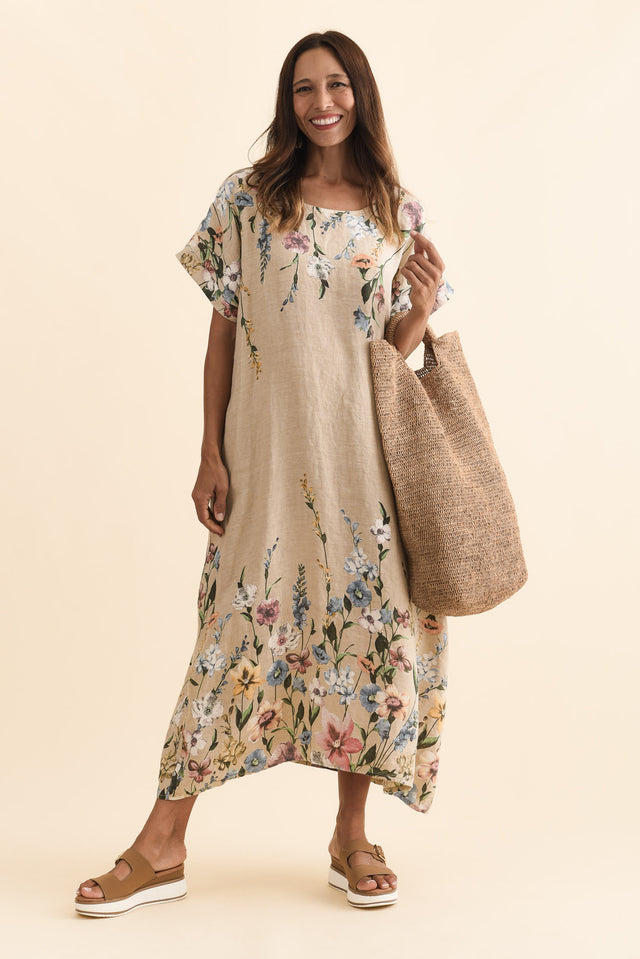
Prints are one of the easiest ways to experiment with colour because they naturally blend multiple shades into a balanced design. Floral patterns, abstract prints and soft geometric styles can help introduce colours you may not normally choose on their own, making them feel more approachable and versatile.

A printed dress featuring navy, pink and white tones, for example, creates a ready-made guide for styling accessories and layering pieces. You can pull colours directly from the print to create cohesive outfits without needing to overthink combinations. This is especially helpful when building a wardrobe colour palette that feels connected and easy to wear.

Printed pieces also allow for flexibility between neutrals and statement shades. Women who usually prefer understated dressing may feel more comfortable incorporating colour through a soft floral blouse or patterned midi dress rather than a bold block-coloured piece. Blue Bungalow’s relaxed prints and wearable colour combinations offer a simple way to explore colour confidently while still maintaining an effortless and flattering feel.

Discovering your perfect wardrobe colour palette is not about limiting your choices or following strict fashion rules. It is about understanding the colours that make you feel confident, comfortable and effortlessly polished every time you get dressed. Once you begin to recognise the shades that complement your skin tone, hair colour and personal style, creating outfits becomes far simpler and far more enjoyable.

If you have ever wondered how to know what colours to wear, the answer often comes from experimenting with colour in a way that feels approachable and authentic to you. Building a wardrobe colour palette with versatile neutrals, balanced statement shades and wearable prints can help create a wardrobe that feels cohesive while still allowing room for personality and creativity.

Whether you are drawn to soft earthy tones, rich jewel shades or timeless navy and white combinations, the most flattering colours are always the ones that make you feel your best. Explore Blue Bungalow’s collection of relaxed dresses, breathable linen pieces and colourful prints to find versatile shades that inspire confidence and make everyday styling feel effortless.

Answering Your Frequently Asked Questions

One of the easiest ways to determine your undertones is by looking at how certain colours and metals appear against your skin. Women with warm undertones often suit gold jewellery, earthy shades and creamy neutrals, while cooler undertones tend to shine in silver jewellery, crisp whites and jewel tones. Natural lighting can also help when testing colours at home, as flattering shades will usually make the complexion appear brighter and more refreshed. If you suit a mix of both, you may have neutral undertones, which can make building a versatile wardrobe colour palette even easier.

Absolutely. A wardrobe colour palette is designed to guide and simplify your styling choices, not restrict them. If there is a colour you genuinely love wearing, there are always ways to incorporate it through prints, accessories or layering pieces. Understanding how to know what colours to wear simply helps identify the shades that naturally feel the most harmonious and wearable for your features and lifestyle

The best neutral shades depend largely on your undertones and personal style. Women with warmer colouring often gravitate towards camel, cream, tan and olive, while cooler undertones may prefer navy, charcoal, soft white and grey. Denim also works beautifully as a universal neutral in many wardrobes. Choosing flattering neutrals creates a strong base that makes styling statement colours and prints feel much more effortless.

Starting small is often the easiest approach. A colourful scarf, printed blouse or lightweight cardigan can introduce colour gradually while still pairing easily with familiar neutrals. Prints are also a simple way to experiment because they naturally combine multiple shades in a balanced way. As you become more confident with your wardrobe colour palette, adding brighter dresses, tops or accessories will begin to feel far more approachable.

Just added to your wishlist:
My Wishlist
You've just added this product to the cart:
Go to cart page

Select a size to wishlist